Global supply chains are under more pressure than ever to become faster, more efficient, and more environmentally responsible. As businesses look for practical ways to reduce waste and lower their carbon footprint, sustainable timber packaging is becoming a key part of the solution.
From pallets and crates to bespoke export packaging, timber offers a rare combination of strength, versatility, and environmental performance that modern logistics demands.
Why Sustainability Matters in Supply Chains
Supply chains account for a significant share of global carbon emissions, largely driven by transport, materials, and packaging waste. For many businesses, packaging is an often-overlooked area where meaningful improvements can be made.
Sustainable packaging helps businesses:
- Reduce environmental impact
- Improve ESG performance
- Cut down on material waste
- Strengthen brand reputation with eco-conscious customers
- Meet increasing regulatory and export requirements
Timber packaging plays a major role in achieving these goals.
Why Timber Packaging Is a Sustainable Choice
Unlike many synthetic packaging materials, timber is a renewable, recyclable, and biodegradable resource when responsibly sourced.
1. Renewable resource
Timber comes from managed forests where trees are replanted, making it part of a continuous natural cycle.
2. Lower carbon footprint
Wood naturally stores carbon throughout its lifecycle. Even after harvesting, that carbon remains locked within the material, helping reduce overall emissions compared to alternatives like plastic or metal.
3. Reusable and repairable
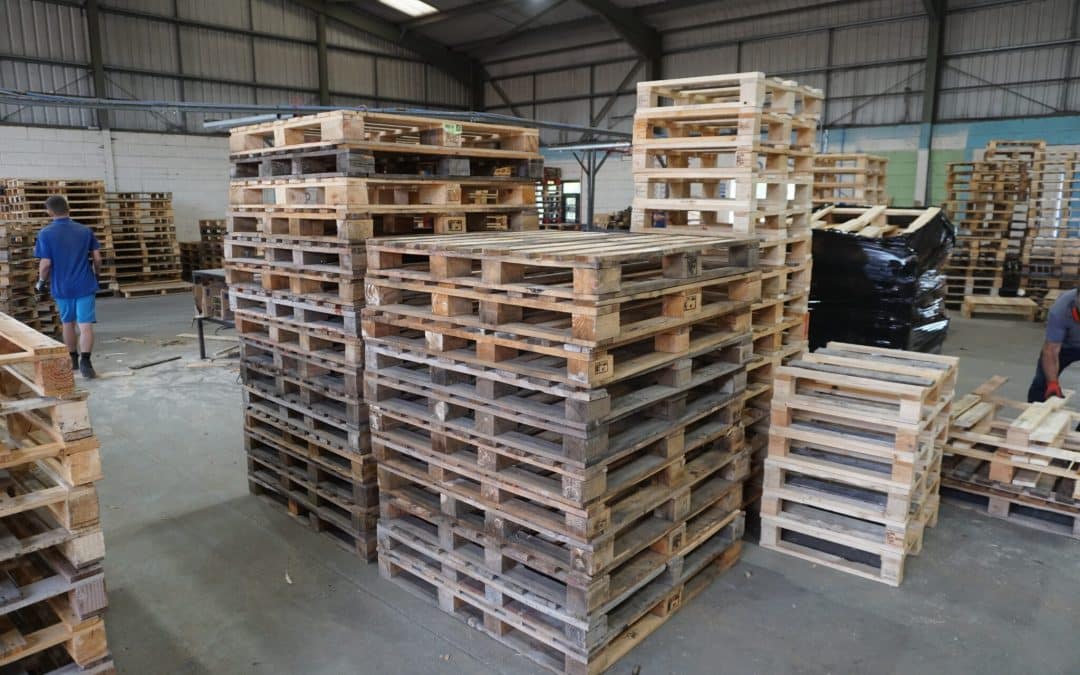
Wooden pallets and crates can often be repaired and reused multiple times, extending their lifespan and reducing the need for new materials.
4. Fully recyclable at end of life
When timber packaging can no longer be reused, it can be recycled into chipboard, mulch, biomass energy, or other wood-based products.
Timber vs Plastic Packaging in Logistics
Many businesses are re-evaluating plastic packaging due to its environmental impact and disposal challenges.
Timber packaging offers clear advantages:
- Lower long-term environmental impact
- Easier reuse and repair cycles
- Less reliance on fossil fuels
- Better end-of-life recycling options
While plastic may offer lightweight convenience, timber often delivers better overall sustainability across the full lifecycle of a product.
How Custom Timber Packaging Reduces Waste
One of the most effective ways to improve sustainability in logistics is through bespoke packaging design.
Custom timber crates and pallets are built to match exact product dimensions, which means:
- Less void fill and wasted material
- Reduced product movement and damage during transit
- More efficient use of transport space
- Fewer returns and replacements due to damage
This not only reduces environmental impact but also improves cost efficiency across the supply chain.
Heat-Treated Timber and Export Compliance
For international shipping, timber packaging often needs to meet ISPM15 regulations, which require heat treatment to prevent the spread of pests and diseases.
Heat-treated timber:
- Meets international export standards
- Is safe for global shipping
- Maintains full structural strength
- Supports sustainable logistics without compromising compliance
This ensures businesses can stay environmentally responsible while meeting strict customs requirements.
The Role of Timber in the Circular Economy
A circular economy focuses on keeping materials in use for as long as possible and reducing waste wherever possible. Timber packaging fits naturally into this model.
Wooden packaging can be:
- Reused multiple times
- Repaired instead of replaced
- Recycled into new wood products
- Used for energy recovery at end of life
This makes timber one of the most circular-friendly packaging materials available to industry today.
Why Businesses Are Switching to Sustainable Timber Packaging
Across manufacturing, engineering, and export sectors, more companies are choosing timber packaging because it delivers:
- Strong environmental performance
- Reliable protection for goods
- Flexibility for custom requirements
- Compliance with export regulations
- Long-term cost savings through reuse
Sustainability is no longer just a “nice to have” — it is becoming a core business requirement.
As supply chains evolve, businesses need packaging that is both practical and environmentally responsible. Sustainable timber packaging helps reduce environmental impact while maintaining strength, compliance, and efficiency.
If you’re looking to improve your packaging sustainability, Integrated Timber Solutions can provide custom-built timber packaging designed to meet your operational and environmental goals.
Recent Comments